Winter Golf Practice: How to Improve in the Off-Season
Winter is when next season's handicap drop is built. Here is the smartest way to use it.

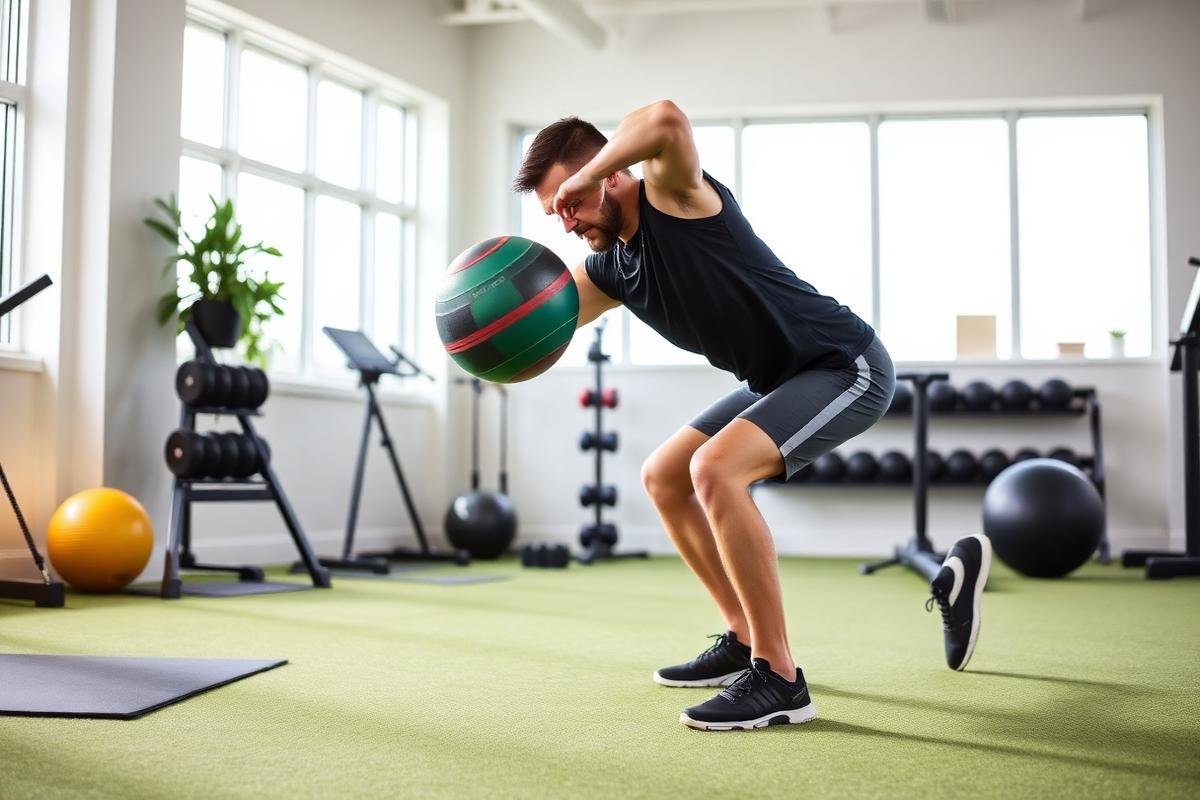
The golfers who arrive at the first warm round of spring already playing well almost always share one habit: they treated winter as a training block, not a break. With modern simulators, indoor putting aids and TPI-style fitness programs widely available, there is no longer any excuse to lose three months of progress every year — and the cumulative effect of three productive off-seasons can take a 15-handicap to a single-digit one.
Building an Off-Season Plan
Divide the off-season into three blocks of roughly four to six weeks each: technical (early winter), physical (mid winter), and integration (late winter, reintroducing full swings and simulator rounds). Each block has a primary focus and a secondary maintenance focus, so nothing you have built earlier degrades while you work on something new.
The technical block is for the changes you cannot make during the season. New grip, new posture, new takeaway position — these all feel awful at first and require many slow, controlled repetitions before they hold up under real-shot pressure. Early winter, with no scorecards in play, is the only time of year you can make them honestly.
The physical block focuses on mobility, stability and speed work (see our 30-minute golf fitness program). Six weeks of consistent training in mid-winter typically adds 4–8 mph of clubhead speed and noticeably more range of motion in the lead hip and thoracic spine.
The integration block puts the technical and physical pieces together with simulator rounds, gradual return to full-swing volume, and reintroduction of pressure (skins games, simulator leagues, ladder competitions). By the first warm range session, your swing should feel familiar — not like something you are remembering for the first time in five months.
Indoor Drills That Translate
Not every drill that works on the range is useful indoors, and not every indoor drill carries over to real shots. These three have the highest carry-over ratio:
- Mirror work on grip, posture and top-of-backswing position. Fifteen minutes of slow, deliberate rehearsals in front of a full-length mirror, twice a week, will lock in setup changes that would take 10 lessons to fix in the spring.
- Impact-bag work for forward shaft lean. A $60 impact bag delivers the single most useful feel in golf: hands ahead, lead wrist flat, chest covering the ball at impact. Ten reps per session, three sessions a week.
- Putting on a carpet line — pure-roll feedback at 6–10 feet. Use a chalk line or a carpenter's level along a flat carpet. Roll putts at a coin or tee until you can consistently produce end-over-end roll. This is the foundation of every great putting stroke.
Avoid: long-iron full swings indoors (almost never produce useful feedback without a launch monitor), generic "swing trainers" with springs (most reinforce a flippy release), and high-volume putting on artificial turf with no break (the speed and roll are nothing like real bentgrass or Bermuda).
Using a Simulator Wisely
Simulators are amazing for swing data and entertaining for round simulation, but they are easy to misuse. Spend at least half of every simulator session on specific shots — not just full driver swings. Practice 60-yard wedges to a target window, knockdown 7-irons under a virtual ceiling, and tee shots aimed at specific virtual fairways. Random play on famous courses is fun but produces almost no transferable skill.
Use the launch monitor data narrowly. Three numbers matter for most amateurs: carry distance (build your gapping chart in winter so you have it ready in spring), spin rate on driver (a useful diagnostic for driver fitting), and face-to-path numbers on iron shots (the diagnostic that most efficiently identifies the cause of a slice, hook or pull). Everything else is noise for most players.
Treat the simulator as a practice tool first and an entertainment system second. A two-hour session of disciplined skills practice translates more to spring scores than ten hours of casual simulator rounds.
Combine simulator time with our 30-minute golf fitness program for a complete off-season block, and revisit your swing fundamentals as you reintroduce full-shot volume in late winter.
Frequently asked questions
Is simulator practice as good as range practice?
For data and short-game work it is often better; for true wind, lie and pressure feedback, real range and on-course practice remain essential.
How often should I practice in the off-season?
Three short, focused sessions per week beat one long weekend session. Quality and consistency over volume.
Key takeaways
- Treat winter as a structured training block, not a break.
- Mirror work and impact-bag drills translate directly to next season's swing.
- On a simulator, practice specific shots — not just full drivers.