Best Golf Balls for Mid-Handicappers in 2026: Performance vs. Price
The right ball is worth a stroke a round. Here is what mid-handicappers should actually play.

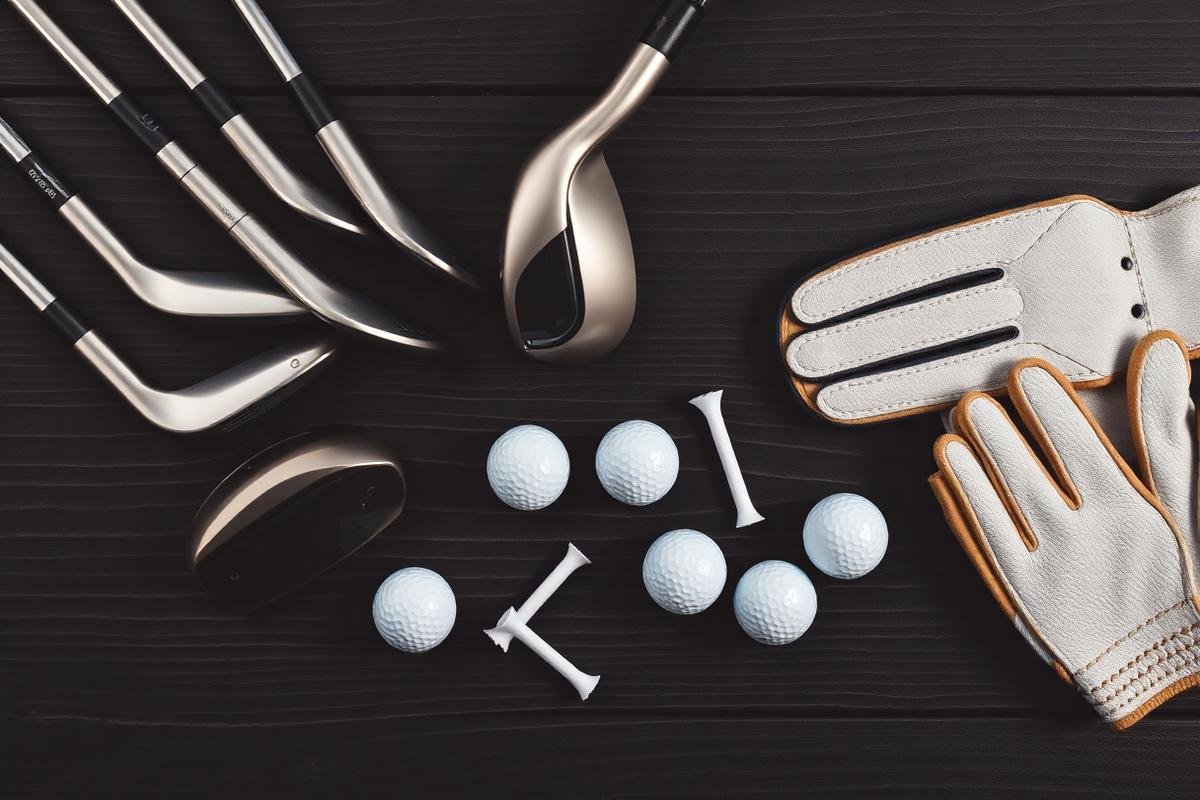
The golf ball is the only piece of equipment used on every shot. For mid-handicap players, the right ball can mean an extra green hit per round, noticeably better feel around the greens, and significantly more predictable distance gapping in your scoring clubs. And yet most amateurs play whatever ball happens to be in their bag from the last "found ball" jackpot in the woods, which is a bit like buying performance tires and never bothering to check whether they are still inflated.
Why Ball Choice Matters
Mid-handicap swing speeds (85–100 mph driver) reward a urethane-cover ball with mid-spin off the driver and high spin on wedge shots. Distance balls (two-piece ionomer construction) help slower swings squeeze out extra carry by reducing driver spin; tour balls reward faster, more consistent swings with a softer feel and higher greenside spin. The "right" ball for a 12-handicap is almost never the same as the "right" ball for a tour player, even if the marketing implies otherwise.
The performance gap shows up most around the green. A urethane-cover ball generates 1,500–3,000 RPM more spin on a 60-yard wedge shot than a two-piece ionomer ball — enough to mean the difference between a shot that releases 15 feet past the pin and one that checks within tap-in range. Over the course of a round, that translates to roughly one extra green hit and two saved strokes for an average mid-handicap.
Driver performance, by contrast, is far less ball-dependent than marketing suggests. The difference between the longest and shortest mainstream ball at typical mid-handicap swing speeds is usually 4–6 yards — meaningful, but small compared to wedge-spin differences. Choose your ball for the short game; the driver will sort itself out.
Best Premium Picks
Premium urethane balls in the $45–$55 per dozen range now deliver near-tour performance with friendlier driver spin profiles for amateurs. Look for balls explicitly marketed at the "performance" or "tour-amateur" segment — they have softer cores than full tour balls, which reduces driver spin without sacrificing greenside grab.
Construction matters: three- or four-piece urethane balls offer the best blend of distance and feel for mid-handicap swing speeds. Look for a compression rating between 80 and 95; below 80 will feel mushy at your speed, above 95 will feel like a rock and lose distance because you cannot compress it fully.
Best Value Picks
"Direct-to-consumer" urethane balls from newer brands offer 90% of premium performance at 55–65% of the price — the smartest play for most mid-handicappers. These brands cut out retail margin and traditional pro-shop distribution, often using the same Asian factories that produce major-OEM models. The savings are real and the performance gap is genuinely small.
Whichever ball you choose, commit to playing it for at least 10 rounds before switching. Mid-handicap players gain more from consistent feedback on one ball than from constantly chasing the next launch-monitor headline. Distance control, spin expectations and putt speed all become more predictable when you eliminate the variable of changing balls every round.
See also our beginner club buyer's guide and our course management fundamentals — combining the right ball with the right strategy is where genuine stroke-saving lives.
Frequently asked questions
Do golf balls really make a difference?
Yes — particularly around the greens. Urethane-cover balls produce significantly more wedge spin than ionomer two-piece balls.
Should I play the same ball as the pros?
Not necessarily. Tour balls are optimized for tour swing speeds. Many premium amateur balls perform better at typical mid-handicap speeds.
Key takeaways
- Mid-handicap players benefit most from urethane-cover balls with mid driver spin.
- Direct-to-consumer brands offer the best value in 2026.
- Pick one ball and play it consistently for better feel and distance control.