Why You'll Love It
- - It uses just four pantry staples, no fancy equipment.
- - The layers develop a tender, airy bite that melts in the mouth.
- - You can freeze the dough and pull it out whenever inspiration strikes.
- - It adds a touch of elegance to any simple tart or savory bite.
*"The puff pastry turned out so flaky, my family thought I bought it from a boutique bakery!"*
Essential Ingredient Guide
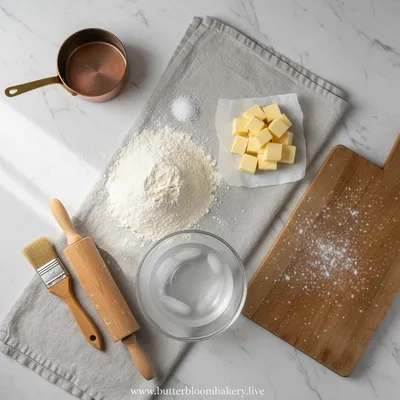
- All‑purpose flour: Choose a medium‑protein flour; it gives enough structure without weighing the dough down.
- Unsalted butter: Cold, high‑fat butter creates the layers; cut into thin sheets for even folds.
- Ice‑cold water: Keeps the dough supple and prevents the butter from melting during mixing.
- Salt: Enhances flavor and helps strengthen the gluten network.
- Lemon juice (optional): A tiny splash adds brightness and helps keep the butter firm.
- Sugar (optional for sweet pastries): Adds subtle sweetness; adjust depending on final filling.
Complete Cooking Process
-
Ingredient Readiness:
Measure flour and salt, chill butter between parchment, and keep water icy.
-
Flavor Development:
Blend flour with butter until pea‑sized crumbs form, then add water to bring the dough together.
-
Texture Control:
Rest the dough, then perform a series of folds (turns) to create layers.
-
Finishing Touches:
Roll the chilled dough to desired thickness, trim edges, and chill again before baking.
-
Serving Timing:
Bake until golden; serve warm for the most aromatic, flaky experience.
- Work quickly; keep everything cold.
- Use a rolling pin with gentle pressure; avoid crushing the butter.
- Rest the dough at least 30 minutes between folds.
- Brush with egg wash for a glossy finish.
Pro Tips
When you’re ready to bake, preheat the oven early so the heat is steady. The dough will spring up beautifully when the oven’s heat hits the butter layers, creating that coveted lift. I’ve found that letting the pastry sit out for a few minutes after baking lets the steam settle, leaving a tender interior and a crisp exterior. Remember, the process is forgiving. If a layer tears, simply press it back together and continue. The end result will still be buttery and flaky, and you’ll feel a quiet pride in having made it from scratch.
The essence of the dish:
A fun fact or historical angle:
Flavor or sensory focus:
You Must Know
- Cold ingredients are essential.
- Resting prevents shrinkage.
- Don’t over‑work the dough.
Frequently Asked Questions
→ Can I use margarine instead of butter?
Butter gives the richest flavor and best lamination. Margarine works in a pinch but the layers won’t be as distinct.
→ How many folds should I do?
Three turns (six folds) are typical for a classic puff pastry, balancing effort and layer development.
→ Can I freeze the dough?
Yes. Wrap tightly and freeze for up to two months; thaw in the fridge before rolling.
→ What temperature should I bake at?
A hot oven—around 400°F (200°C)—creates steam that lifts the layers quickly.
→ Why did my pastry collapse?
Possible causes: butter melted during rolling, or insufficient rest time. Keep everything cold.
→ Can I add herbs to the dough?
A small amount of finely chopped herbs can be folded in after the first turn for a subtle flavor.
Chef's Tips
If the butter softens while rolling, return the dough to the fridge for 10‑15 minutes.,For extra shine, brush with butter melted with a touch of honey before baking.,You can add a sprinkle of coarse sugar on top for a sweet crunch.
Nutrition Facts
per serving
320
Calories
4g
Protein
28g
Carbs
22g
Fat
Taste Profile
Rich buttery with a hint of salt
Ingredient Substitutions
Don't have an ingredient? Try these alternatives
Gives a nutty flavor; keep the same amount.
Adds a bit more gluten for stronger layers, but may be slightly chewier.
Recipe Variations
Try these delicious twists on the original
Spicy Version
Add a pinch of cayenne and fold in thin strips of jalapeño for a gentle heat.
Mediterranean Style
Incorporate crumbled feta, chopped olives, and sun‑dried tomatoes before the final roll.
Common Mistakes to Avoid
Learn from others' mistakes for perfect results
- Letting butter warm too much while rolling, causing layers to merge.
- Skipping rest periods, which leads to tough dough.
- Over‑rolling, flattening the butter pockets.
Meal Prep & Storage
Make Ahead Tips
Prepare the dough, complete the turns, and freeze in a tightly sealed bag. Thaw in the fridge overnight before rolling and baking.
Leftover Ideas
Reheat gently in a 300°F oven for 5‑7 minutes to restore crispness.
Perfect Pairings
Serve this with...
Cooking Timeline
Combine dry ingredients and coat butter.
Add water, form dough, and chill.
Perform three turns with chilling between each.
Roll, cut shapes, brush with egg wash.
Bake until golden, then cool on rack.
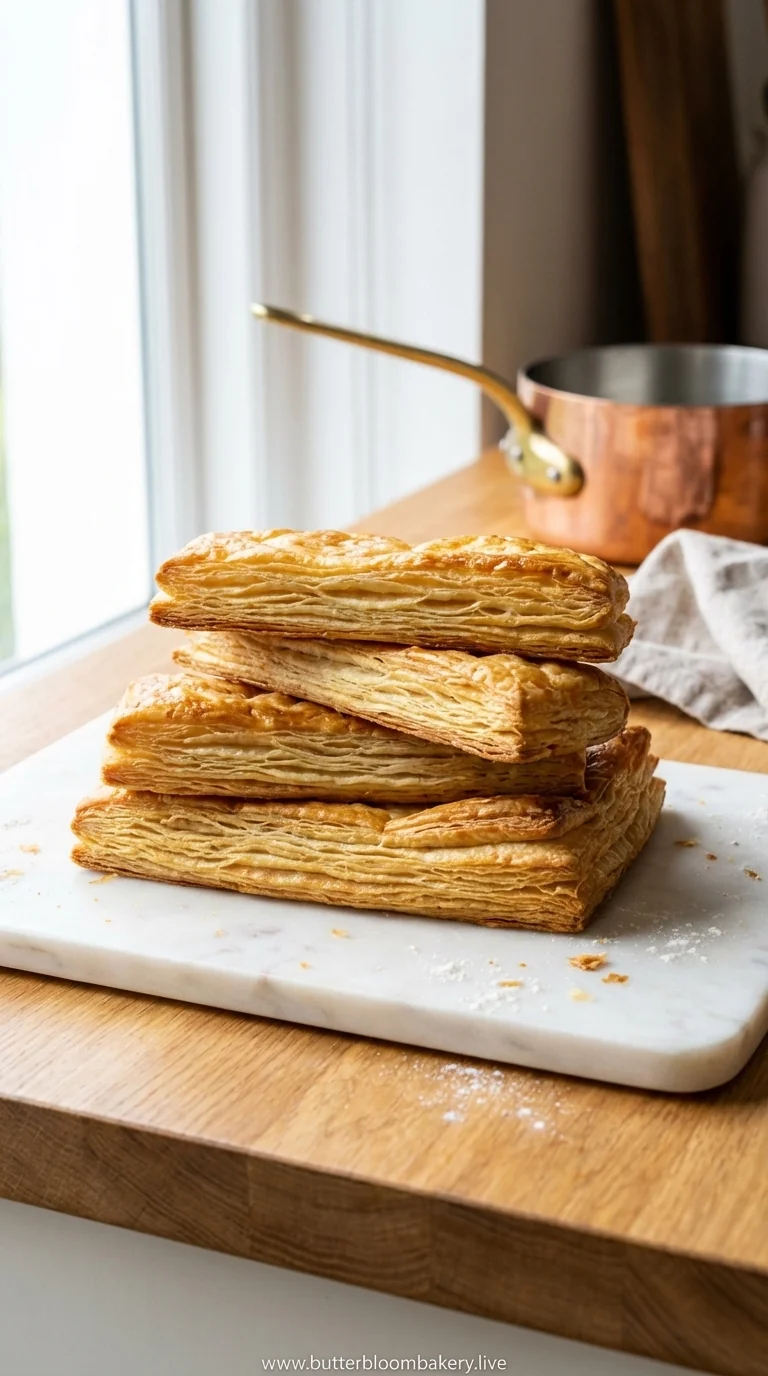
Homemede Puff Pastry Recipe
Learn how to make buttery, flaky homemade puff pastry from scratch—perfect for tarts, pastries, and more. The process is gentle, like folding a soft blanket, and the result rewards you with layers that whisper of warm kitchens. Honestly, it feels like a quiet triumph each time you pull a golden sheet apart.
Timing
Prep Time
30 Minutes
Cook Time
20 Minutes
Total Time
50 Minutes
Recipe Details
Ingredients
Dough
- 01 2 1/2 cups all‑purpose flour
- 02 1 tsp salt
- 03 1 cup (2 sticks) cold unsalted butter, cut into 1/2‑inch squares
- 04 1/2 cup ice‑cold water (add more if needed)
- 05 1 tsp lemon juice (optional)
- 06 1 tbsp sugar (optional, for sweet pastries)
Finishing
- 01 1 egg, beaten (for egg wash)
- 02 1 tbsp water
Instructions
In a large bowl, whisk flour, salt, and sugar together. Toss the cold butter pieces in, using fingertips to coat them lightly; the mixture should look like coarse crumbs with some pea‑size butter pieces.
Drizzle the ice water (and lemon juice if using) over the mixture. Gently stir until the dough just comes together; it will be shaggy. Shape into a flat rectangle, wrap in plastic, and chill for 30 minutes.
On a lightly floured surface, roll the chilled dough into a long rectangle about 1/4‑inch thick. Fold the top third down, then the bottom third up (a “letter fold”). Rotate 90°, roll again, and repeat the fold. This is one turn.
Wrap the turned dough and chill for another 30 minutes. Perform two more turns (total three), chilling between each, to develop layers.
After the final turn, roll the dough to your desired thickness (about 1/8‑inch). Cut shapes for tarts, danishes, or pastries. Brush lightly with egg wash.
Bake in a pre‑heated 400°F oven until golden brown, 15‑20 minutes depending on thickness. Let cool slightly before filling or serving.
Notes & Tips
- 1 If the butter softens while rolling, return the dough to the fridge for 10‑15 minutes.
- 2 For extra shine, brush with butter melted with a touch of honey before baking.
- 3 You can add a sprinkle of coarse sugar on top for a sweet crunch.
Tools You'll Need
-
Rolling pin
-
Pastry brush
-
Sharp knife or pastry cutter
-
Plastic wrap
-
Baking sheet
-
Cooling rack
Must-Know Tips
- Keep ingredients cold; it preserves the butter layers.
- Rest the dough between folds to relax gluten.
- Use a light hand when rolling to avoid compressing layers.
Professional Secrets
- Cold butter creates steam pockets that lift the dough.
- Three turns yield enough layers for most home uses.
- A hot oven burst of steam gives the puff its rise.
Recipe by
Amelia HartChef Amelia Hart is a talented cake designer who loves creating beautiful celebration cakes for special moments. She specializes in layered cakes, cre ...
Get Delicious Recipes Weekly
Join 25,000+ home cooks getting our best recipes straight to their inbox.
Free forever • No spam • Unsubscribe anytime