Why You'll Love It
- - One‑pot simplicity saves time and dishes
- - Velvety texture that melts in your mouth
- - Balanced sweet‑salty profile pleases every palate
- - No need for a fancy water bath or oven
*"The flavor balance is pure magic—sweet caramel meets a perfect salty kiss. My family can’t get enough!"*
Essential Ingredient Guide
- Cream cheese: Choose full‑fat cream cheese for richness; let it soften at room temperature to avoid lumps.
- Caramel sauce: A good quality butter‑based caramel provides depth; swirl in sea salt just before serving.
- Graham crackers: Crushed for the crust; lightly toasted adds a subtle crunch.
- Sea salt: A pinch of flaky sea salt lifts the caramel and adds a satisfying finish.
- Lemon juice: A splash brightens the cheesecake filling and balances the sweetness.
- Vanilla extract: Enhances the caramel’s warm notes without overpowering.
Complete Cooking Process
-
Ingredient Readiness:
Soften cream cheese, crush crackers, and measure caramel before heating. This ensures a smooth blend.
-
Flavor Development:
Caramelize sugar in butter, then stir in cream cheese mixture; the flavors meld as the cheesecake sets.
-
Texture Control:
Gentle stirring prevents air bubbles; the crust stays firm when pressed tightly.
-
Finishing Touches:
Drizzle extra caramel, sprinkle sea salt, and let the cheesecake chill to set.
-
Serving Timing:
Serve after at least 2 hours of chilling; the dessert is best at a cool room temperature.
- Use a silicone spatula for a silky batter
- Press the crust evenly with the bottom of a glass
- Add a splash of espresso to caramel for depth
- Top with crushed pistachios for texture
Pro Tips
Well, those little adjustments can turn a good cheesecake into something memorable. I remember once forgetting the sea salt and the result felt flat—so I always double‑check that final sprinkle. It’s those tiny moments that make the kitchen feel like home. And if you ever feel the caramel is too thick, a tablespoon of warm milk will loosen it without losing flavor.
The essence of the dish:
A fun fact or historical angle:
Flavor or sensory focus:
You Must Know
- Do not over‑beat the filling
- Cool the caramel before folding
- Chill the crust for firm edges
Frequently Asked Questions
→ Can I use a different crust?
Absolutely—you can substitute a chocolate cookie crust or even almond flour for a gluten‑free version.
→ How long should I chill the cheesecake?
At least two hours, but overnight gives the best set and flavor melding.
→ Can I make this ahead of time?
Yes, the cheesecake keeps well refrigerated for up to three days; just keep it covered.
→ What kind of sea salt works best?
Fleur de sel or flaky Maldon salt provides a delicate crunch and flavor.
→ Is there a vegan version?
Swap cream cheese for a plant‑based alternative and use coconut‑based caramel; the texture will be slightly different but still delicious.
→ Can I add toppings?
Feel free to sprinkle toasted nuts, chocolate shavings, or a dusting of cocoa powder for extra texture.
Chef's Tips
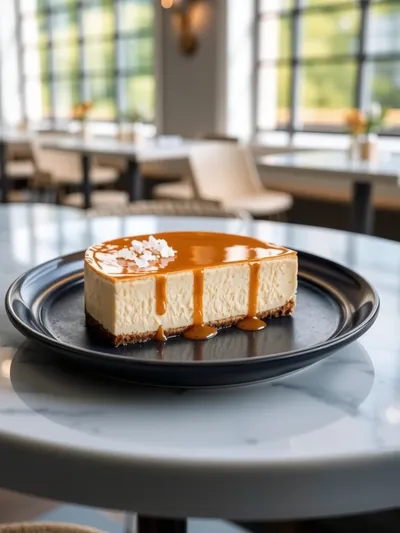
If the crust sticks, line the skillet with parchment paper before pressing.,For extra caramel flavor, swirl a spoonful of caramel into the filling before cooking.,Do not over‑cook; the cheesecake should remain creamy in the center.
Nutrition Facts
per serving
390
Calories
6g
Protein
38g
Carbs
22g
Fat
Taste Profile
A harmonious blend of sweet caramel and subtle sea salt
Ingredient Substitutions
Don't have an ingredient? Try these alternatives
Provides a slightly lighter texture but may be less rich
Adds a buttery flavor; use gluten‑free if needed
Recipe Variations
Try these delicious twists on the original
Spicy Version
Add a pinch of cayenne pepper to the caramel for a subtle heat that balances the sweetness.
Mediterranean Style
Replace the caramel with a honey‑orange glaze and garnish with toasted pistachios for a nutty twist.
Common Mistakes to Avoid
Learn from others' mistakes for perfect results
- Over‑mixing the filling creates air pockets and cracks.
- Cooking on too high heat burns the caramel.
- Skipping the chill time results in a runny texture.
Meal Prep & Storage
Make Ahead Tips
You can prepare the crust and filling a day ahead, then chill. Add the caramel topping just before serving for the freshest flavor.
Leftover Ideas
Refrigerate leftovers in an airtight container; enjoy within three days. The texture remains smooth, though the crust may soften slightly.
Perfect Pairings
Serve this with...
Cooking Timeline
Prepare crust: combine crumbs, butter, and sugar; press into skillet.
Beat softened cream cheese until smooth.
Mix filling ingredients and pour over crust.
Cook covered on low heat until edges set.
Cool, swirl caramel topping, chill in refrigerator.
One Pot Salted Caramel Cheesecake
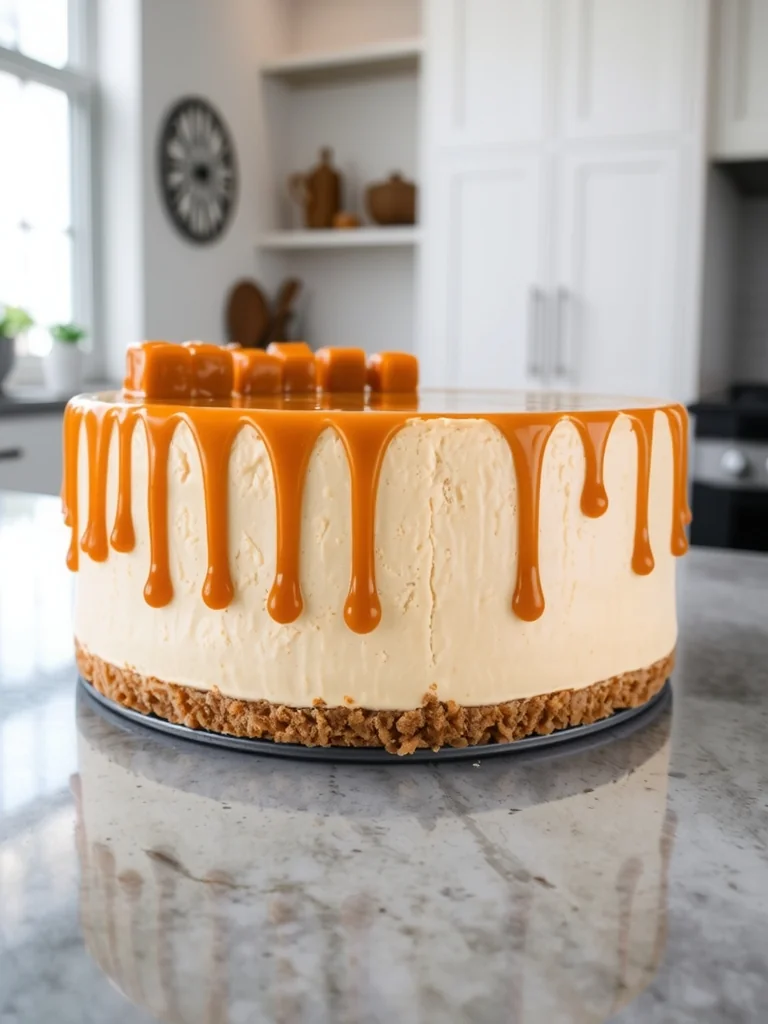
A silky one‑pot salted caramel cheesecake that comes together in under an hour, offering a sweet‑salty bliss that feels like a gentle hug on a cool evening.
Timing
Prep Time
20 Minutes
Cook Time
15 Minutes
Total Time
35 Minutes
Recipe Details
Ingredients
Crust
- 01 1 ½ cups graham cracker crumbs
- 02 3 tbsp melted butter
- 03 2 tbsp sugar
Filling
- 01 16 oz full‑fat cream cheese, softened
- 02 ½ cup granulated sugar
- 03 2 large eggs
- 04 ¼ cup caramel sauce (store‑bought or homemade)
- 05 ½ tsp vanilla extract
- 06 1 tsp lemon juice
- 07 ¼ tsp sea salt, plus extra for garnish
Caramel Topping
- 01 ½ cup caramel sauce
- 02 Pinch of flaky sea salt
Instructions
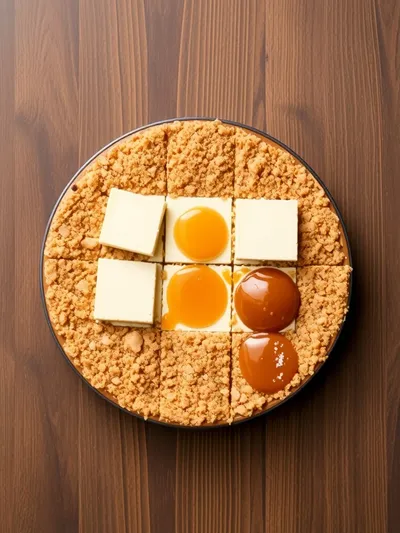
Preheat a large skillet over medium heat. Combine graham cracker crumbs, melted butter, and sugar; press the mixture into the bottom of the skillet to form an even crust.
In a bowl, beat the softened cream cheese until smooth, then add sugar, eggs, caramel sauce, vanilla, lemon juice, and sea salt. Mix gently until just combined—no over‑mixing.
Pour the filling over the pressed crust, smoothing the top with a spatula. Cook on low‑medium heat, covering the skillet, for about 12‑15 minutes until the edges are set but the center still has a slight wobble.
Remove from heat, let cool for 10 minutes, then drizzle the extra caramel sauce on top and sprinkle a pinch of sea salt. Chill the skillet in the refrigerator for at least two hours before serving.
Notes & Tips
- 1 If the crust sticks, line the skillet with parchment paper before pressing.
- 2 For extra caramel flavor, swirl a spoonful of caramel into the filling before cooking.
- 3 Do not over‑cook; the cheesecake should remain creamy in the center.
Tools You'll Need
-
Large skillet with lid
-
Mixing bowl
-
Hand mixer or whisk
-
Spatula
-
Measuring cups and spoons
Must-Know Tips
- Don’t over‑beat the filling, it creates air bubbles
- Let the crust cool slightly before adding the filling to avoid melting
- Taste the caramel and adjust salt before the final drizzle
Professional Secrets
- Room temperature cream cheese ensures a silky texture
- Low heat cooking prevents cracking
- Chilling the crust before filling adds structural stability
Recipe by
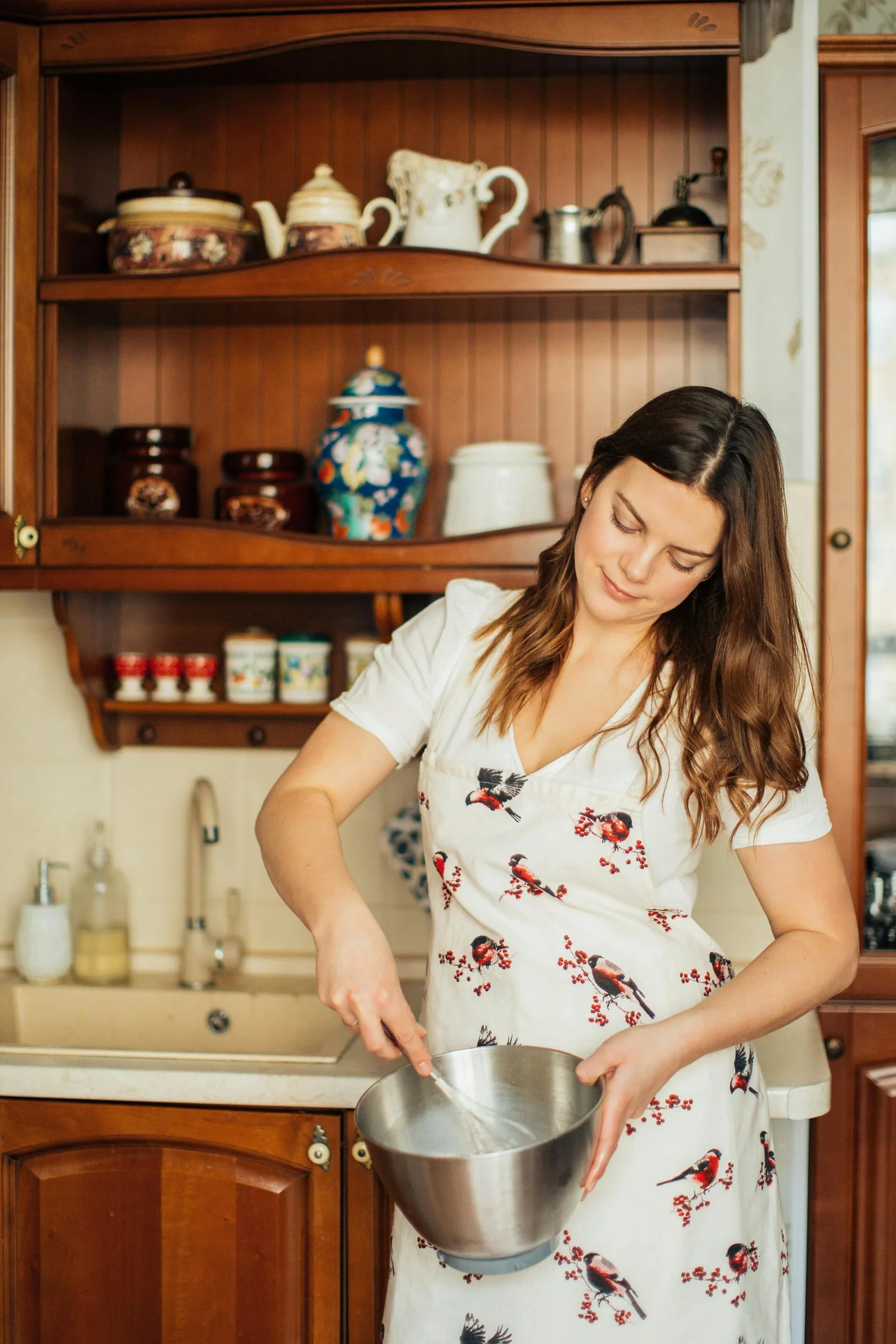
Valentina MorettiChef Valentina Moretti developed her passion for baking while growing up near traditional European bakeries. She focuses on classic pastries like croi ...
Get Delicious Recipes Weekly
Join 25,000+ home cooks getting our best recipes straight to their inbox.
Free forever • No spam • Unsubscribe anytime