Tackling Legacy Challenges: How a New AI Tool Aims to Help Agencies with COBOL Problems
Estimated reading time: 5 minutes
- Understanding the need for AI solutions to manage legacy COBOL systems.
- Key features of the new AI tool that automates code analysis and supports migration.
- Practical takeaways for businesses considering integration of AI in their operations.
- AITechScope’s role in providing tailored solutions for organizations facing COBOL challenges.
- Embracing digital transformation to enhance efficiency and operational processes.
Understanding the Need for AI Solutions in COBOL Management
Insights from the New AI Tool for COBOL
Practical Takeaways for Businesses
AITechScope’s Role in Optimizing COBOL Challenges
Embracing Digital Transformation
Call to Action
FAQ
Understanding the Need for AI Solutions in COBOL Management
For many agencies, COBOL remains an integral part of their operations. Despite its age, COBOL is still widely used in government departments, financial institutions, and large enterprises. However, the skills necessary to maintain and develop COBOL applications are dwindling. The workforce proficient in COBOL is aging, and with fewer programmers available to support these systems, organizations face significant operational risks.
The introduction of AI tools aimed at solving COBOL-related challenges highlights a pivotal shift in how organizations can maintain and modernize legacy systems. This evolution not only promises efficiency but also positions agencies to undertake critical digital transformations. Embracing AI in this context allows businesses to streamline their workflows, enhance operations, and optimize resource allocation.
Insights from the New AI Tool for COBOL
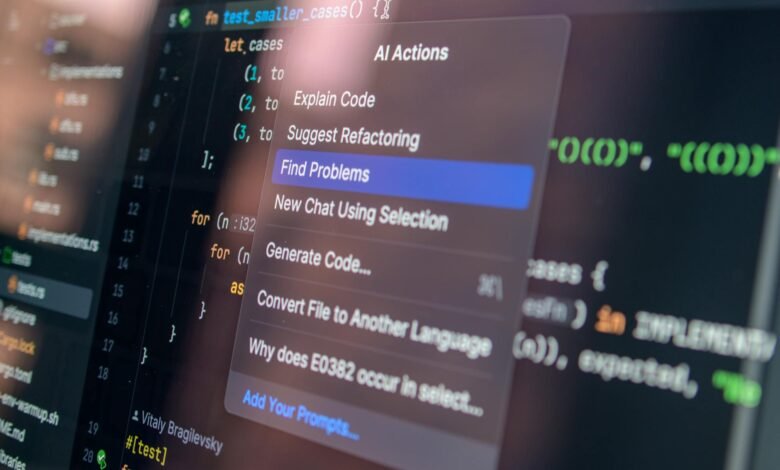
The recently announced AI tool introduced by GovTech is designed to assist agencies in managing and modernizing their COBOL applications. This breakthrough tool operates by automating code analysis and assisting in the migration of COBOL applications to more modern programming languages or cloud infrastructures. Below are some key features and benefits:
- Automated Code Analysis: The tool scans COBOL codebases, identifying outdated practices, inefficiencies, and possible vulnerabilities. It helps administrators understand the code structure and dependencies, facilitating informed decision-making for modernization.
- Support for Migration: Migrating away from COBOL is a daunting task. AI-driven recommendations for alternative languages and frameworks help agencies understand the feasibility and requirements for migration.
- Knowledge Retention: With many experienced COBOL developers retiring, this tool aids in encoding their knowledge into dynamic documentation, making it easier for new developers to maintain legacy systems.
- Increased Efficiency: Automating repetitive tasks related to COBOL applications, like bug fixing and code optimization, frees up valuable human resources, enabling developers to focus on strategic initiatives.
- Risk Mitigation: By identifying weaknesses in the code, AI can prevent potential system failures that could lead to costly downtime or security breaches.
These features not only stabilize existing COBOL environments but also create a pathway for these organizations to innovate without discarding established practices.
Practical Takeaways for Businesses
As organizations consider integrating AI solutions into their legacy operations, several practical takeaways can significantly enhance their effectiveness:
- Assess Existing Infrastructure: Conduct an audit of your current systems to identify areas where COBOL applications may be slowing down processes or posing risks due to skills shortages.
- Invest in AI Tools: Leveraging AI, like the new tool for COBOL management, can minimize risk while enhancing operational efficiency. Before making a decision, evaluating various tools’ capabilities to find the best fit for your organization’s needs is crucial.
- Develop a Migration Strategy: For long-term sustainability, consider outlining a technology migration plan that includes using the new AI tool to support phased transitions, ensuring minimal disruption to operations.
- Upskill Employees: Offer training for existing staff in AI and automation technologies to reduce reliance on external resources and to better prepare for a future where these tools become integral to daily operations.
- Collaborate with Experts: Engage with AI consulting services like those provided by AITechScope to develop tailored strategies that can help in the implementation and adaptation of AI tools and systems.
AITechScope’s Role in Optimizing COBOL Challenges
AITechScope stands at the forefront of AI automation and consulting services, offering unique insights and support to businesses facing legacy challenges. Our expertise extends beyond merely implementing tools; it encompasses comprehensive solutions designed to integrate AI into the fabric of your operation.
Here’s how we can assist:
- n8n Automation Expertise: We utilize n8n, an open-source workflow automation tool, to create customized workflows that optimize data processes, including the handling of legacy systems. This allows you to connect various applications and services without coding.
- Tailored AI Solutions: With an understanding of your unique operational challenges, we offer consulting services that guide businesses in selecting and implementing the right AI tools, ensuring a smooth transition in upgrading legacy systems.
- Website Development: As businesses modernize their operations, having an updated online presence becomes essential. We assist organizations in building user-friendly websites that align with new AI technologies and automation strategies.
- Ongoing Support: Beyond initial implementation, we provide continuous support and education to help organizations adapt sustainably to new tools and integrations.
Embracing Digital Transformation
The landscape of business is changing as organizations look to become more efficient through digital transformation. The advent of AI solutions to tackle legacy systems like COBOL is a testament to the possibilities that lie ahead.
As you ponder the implications of integrating AI into your business processes, consider how nimble your organization can become when it embraces new tools. Automation, enhanced data management, and optimized workflows collectively lead to improved operational efficiency—and ultimately, a competitive edge in the market.
We encourage you to explore AITechScope’s various services tailored to transform your business model and embrace the future of work through AI automation and consulting. Our team of experts is ready to support your journey toward greater efficiency and innovation.
Call to Action
Are you ready to tackle your COBOL challenges head-on? Discover how AITechScope can help you leverage AI tools to enhance your business efficiency and increase productivity. Contact us today to learn more about our AI automation services and consulting solutions, and take a proactive step towards transforming your legacy systems for a digital future.
Together, let’s navigate the complexities of legacy systems and position your organization for success in an AI-driven world.
FAQ
1. What is COBOL?
COBOL stands for Common Business-Oriented Language and is primarily used in legacy systems in financial and administrative sectors.
2. How can AI help with COBOL challenges?
AI can automate code analysis, assist in migration, enhance efficiency, and mitigate risks associated with outdated COBOL applications.
3. What services does AITechScope provide?
AITechScope offers AI automation consulting, customized workflow solutions, website development, and ongoing support for organizations tackling legacy systems.
4. Why is upskilling important when integrating AI?
Upskilling existing employees ensures that organizations can effectively manage and leverage new AI tools without over-reliance on external resources.
5. What should organizations consider before migrating from COBOL?
Organizations should assess their existing infrastructure, identify risks, and develop a comprehensive migration strategy that aligns with their operational goals.